Stroke remains a major cause of mortality and long-term disability worldwide, with profound consequences for individuals, families and healthcare systems. In South Africa, the National Burden of Disease Study identified stroke as the third leading cause of death in 2000, accounting for 6.5% of all deaths, after HIV/AIDS and ischaemic heart disease.
Established vascular risk factors, including hypertension, diabetes mellitus, smoking, dyslipidaemia and obesity, frequently coexist and contribute to the burden of cerebrovascular disease. Beyond mortality, stroke may result in physical, cognitive and psychosocial disability, affecting independence in activities of daily living, social interaction, community participation and economic productivity.
Learning Objectives
Why subtle, transient and evolving stroke symptoms can be missed, and the potential medicolegal consequences thereof
How clinical negligence and legal causation are assessed following an adverse outcome
Why timely recognition, appropriate referral and accurate documentation are essential
How ethical challenges arise when access to stroke care is limited or urgent decisions are required
How structured pathways, team training and continuous improvement can reduce diagnostic errors and improve patient safety.
Meet our expert
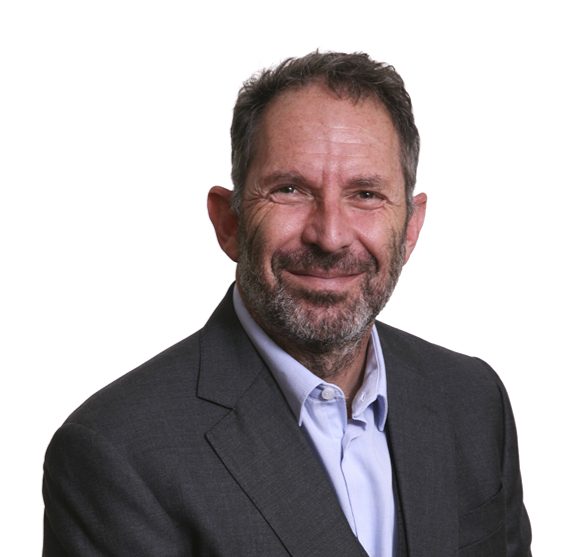
Professor Brad Beira MTech C, ICSSD, AHLF, BCom Law, LLM Healthcare Architect and Medicolegal Advisor Johannesburg
Prof Beira is a Chiropractor, health system architect and corporate advisor. He chairs World Spine Care Africa and the Africa Telehealth Collaboration, and is a former Secretary General of the World Federation of Chiropractic, a non-state actor in official relations with WHO.
He is a clinician, medicolegal advisor and educator, serving as a visiting Professor at the Health Sciences University in the UK. He lectures internationally on public health access, community musculoskeletal care, digital health, telehealth, Agentic AI and bioethics.
Combining clinical practice, legal expertise and ethical principles, Brad champions affordable, value-based healthcare, particularly in primary and remote settings.
Read the summary report.
Congratulations, your certificate is available at the top of this activity page. Click here to view your certificate. It will also be on your "My Modules" under your account.


 Learning Objectives
 Meet our expert