


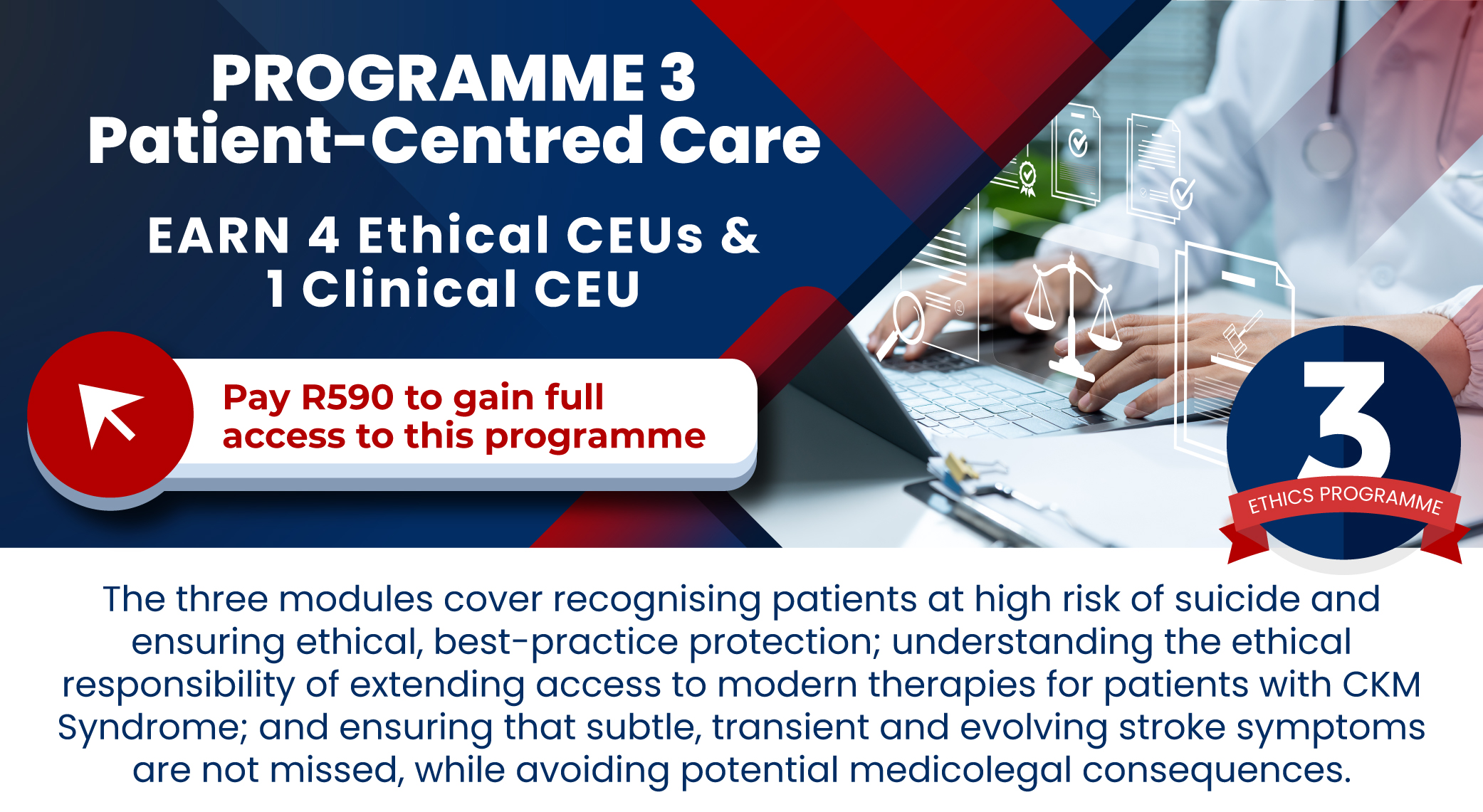

Navigating the ethical and medicolegal challenges of modern stroke care – From diagnostic uncertainty to professional accountability and safer systems
by Professor Brad Beira.
EARN 2 ETHICS CEUs
Stroke is a leading cause of death and long-term disability worldwide, with significant physical, cognitive and psychosocial impacts on independence, daily activities, social participation and economic productivity.

The vape effect: The mouth is the first point of contact, the lungs are the final destination
by Dr Thulja Trikamjee.
EARN 2 CLINICAL CEUs
The adverse health effects of electronic cigarette use (vaping) were identified and highlighted by the World Health Organization and other global entities prior to 2020. The adverse health effects of electronic cigarette use (vaping) were identified and highlighted by the World Health Organization.

The primary healthcare clinician’s ethical responsibility and opportunity to prevent suicide in high-risk patients – Recognising suicide risk in primary care
by Professor Stephan Rabie.
EARN 1 ETHICS and 1 CLINICAL CEU
Self-harm and suicide remain major public health concerns, particularly in low- and middle-income countries, which accounted for 73% of global suicide deaths in 2021. Africa carries a considerable, yet poorly understood, share of this burden.

Access to care across the cardiovascular-kidney-metabolic spectrum – An ethical imperative in modern healthcare
by Dr Martin Mpe.
EARN 1 ETHICS CEU
This ethics case study explores the ethical considerations for the care of a patient with obesity requiring urgent surgery for suspected cancer, in terms of the four pillars of ethical medical practice – patient autonomy, justice, beneficience and non-maleficience.

NOFSA Masterclass 2 – 2026: The continuum of Male Bone Health in the GLP-1 era
by Dr Zane Stevens.
EARN 2 CLINICAL CEUs
In men, skeletal health is determined by the interplay of body mass, hormonal health and bone strength. It is well-established that glucagon-like peptide-1 receptor agonists (GLP-1RAs) assist with significant weight loss and improvement of testosterone and metabolic dysfunction.
Recognising and managing rare bone disorders in clinical practice
by Professor Manju Chandran.
EARN 2 CLINICAL CEUs
At the 2025 annual congress of the National Osteoporosis Foundation of South Africa (NOFSA) in Cape Town, Professor Chandran explored the often-overlooked world of rare bone disorders through the symbolic tale of Apasmara from Hindu mythology.

Unpicking allergic rhinitis in adults and children
by Dr Janet van der Walt & Dr Pieter de Waal.
EARN 3 CLINICAL CEUs
This CPD activity covers allergic rhinitis (AR) risk factors, pathophysiology, and diagnosis in primary care, including its classification. It also explores evidence-based management, emphasising patient education, allergen avoidance, and treatment recommendations for South African practice.

Episode 1: Epidemiology and Diagnosis of Type 2 Diabetes
by Dr Issac Mashitisho & Dr Mthembeni Tebelele.
EARN 1 CLINICAL CEU
This first episode introduces the global and regional landscape of Type 2 Diabetes Mellitus. The conversation emphasises practical recognition of diabetes in primary-care and community settings, early detection strategies, and the importance of education and prevention to curb rising prevalence.
Episode 2: Identifying the Right Patient: Clinical and Practical Cues
by Dr Issac Mashitisho & Dr Mthembeni Tebelele.
EARN 1 CLINICAL CEU
This episode builds on the foundation established in Episode 1 by moving from theory to bedside recognition of diabetes. Host Dr Tebelele and guest Dr Mashitisho explore how clinicians can identify patients at risk of Type 2 Diabetes Mellitus (T2DM) before complications occur.

Episode 3: Why the Right Insulin Matters: Comparing Basal Options
by Dr Issac Mashitisho & Dr Mthembeni Tebelele.
EARN 1 CLINICAL CEU
In this third episode, Dr Tebelele and Dr Mashitisho build on the foundations of diabetes diagnosis and patient identification to focus on insulin therapy – specifically the selection and optimisation of basal insulin options.

Episode 4: Navigating Insulin Therapy in Type 2 Diabetes
by Dr Issac Mashitisho & Dr Mthembeni Tebelele.
EARN 1 CLINICAL CEU
In this fourth episode, Dr Tebelele and Dr Mashitisho move from insulin theory to the practical initiation and management of insulin therapy in patients with Type 2 Diabetes Mellitus (T2DM).
Episode 5: Insulin Types and Characteristics
by Dr Issac Mashitisho & Dr Mthembeni Tebelele.
EARN 1 CLINICAL CEU
In this fifth episode, Dr Tebelele and Dr Mashitisho explore the different insulin formulations, their pharmacological properties, and clinical applications in the management of Type 2 Diabetes Mellitus (T2DM).

Episode 6: Navigating Diabetes Treatment Challenges
by Dr Issac Mashitisho & Dr Mthembeni Tebelele.
EARN 1 CLINICAL CEU
In this sixth episode, Dr Tebelele and Dr Mashitisho tackle the real-world challenges faced by healthcare professionals when managing diabetes, particularly when transitioning patients into insulin therapy.

Episode 7: Managing Diabetes in Special Populations
by Dr Issac Mashitisho & Dr Mthembeni Tebelele.
EARN 1 CLINICAL CEU
In this seventh episode, Dr Tebelele and Dr Mashitisho explore the nuances of managing diabetes in special populations, focusing on patients with comorbid conditions such as cardiovascular and renal disease, as well as the elderly and pregnant women.

Episode 8: HIV and Diabetes and Patient Care Strategies
by Dr Issac Mashitisho & Dr Mthembeni Tebelele.
EARN 1 CLINICAL CEU
In this concluding episode of the series, Dr Tebelele and Dr Mashitisho discuss one of the most complex intersections in modern clinical medicine — the coexistence of HIV and diabetes. With South Africa bearing a high burden of both conditions, the discussion provides practical strategies for clinicians navigating overlapping management pathways.
Navigating the ethical and medicolegal challenges of modern stroke care – From diagnostic uncertainty to professional accountability and safer systems
by Professor Brad Beira.
EARN 2 ETHICS CEUs
Stroke is a leading cause of death and long-term disability worldwide, with significant physical, cognitive and psychosocial impacts on independence, daily activities, social participation and economic productivity.
The primary healthcare clinician’s ethical responsibility and opportunity to prevent suicide in high-risk patients – Recognising suicide risk in primary care
by Professor Stephan Rabie.
EARN 1 ETHICS and 1 CLINICAL CEU
Self-harm and suicide remain major public health concerns, particularly in low- and middle-income countries, which accounted for 73% of global suicide deaths in 2021. Africa carries a considerable, yet poorly understood, share of this burden.
Access to care across the cardiovascular-kidney-metabolic spectrum – An ethical imperative in modern healthcare
by Dr Martin Mpe.
EARN 1 ETHICS CEU
This ethics case study explores the ethical considerations for the care of a patient with obesity requiring urgent surgery for suspected cancer, in terms of the four pillars of ethical medical practice – patient autonomy, justice, beneficience and non-maleficience.

Case study: You are fat and it is your fault
EARN 2 ETHICS CEUs
This case study explores the ethical considerations for the care of a patient with obesity requiring urgent surgery for suspected cancer, in terms of the four pillars of ethical medical practice – patient autonomy, justice, beneficience and non-maleficience.

The essential role of compassion in contemporary medical practice
EARN 3 ETHICS CEUs
This article examines the indispensable role of compassion in modern medicine. It argues that clinical excellence must also encompass empathy and ethical care for healthcare systems to thrive.

Continuing medical education: the journey continues
EARN 1 ETHICS CEU
This report explores ethical clinical practice, highlighting ethical codes across cultures, the contribution of modern advances to ethical care, and practical action points for the busy clinician.
Donation and transplantation ethics
EARN 2 ETHICS CEUs
This ethical CPD activity covers donation pathways, what can be donated, end-of-life communication, consent, and the ethical principles to organ donation and transplantation.
Ethical and best practice care of emerging adults at high risk of developing cardiovascular disease
EARN 2 ETHICS CEUs
Explore the four pillars of ethical medicine in supporting South African adolescents with heart disease.
Ethical issues specific to the practice of allergology and treatment of allergic disease
EARN 1 ETHICS CEU
This activity covers ethical referral practices in allergy care, including HPCSA supercession guidelines and the four pillars of medical ethics.

NOFSA Masterclass: Ethical decision-making when assessing for osteoporosis in the older patient
by Dr Stanley Lipschitz.
EARN 2 ETHICS CEUs
In this fifth National Osteoporosis Foundation of South Africa (NOFSA) 2024 masterclass, Dr Lipschitz considers an ethical decision-making framework for the assessment and management of osteoporosis in older patients.
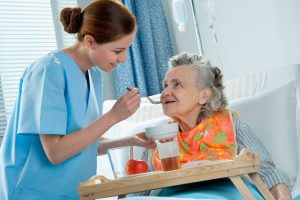
Immobility and Frailty – Multidisciplinary Solutions and Support
by Dr Lara Greenstein & Dr Susan Coetzer.
EARN 2 CLINICAL CEUs
Why do some older adults age well and remain active, independent and resilient, while others become ‘old’ before their time and increasingly vulnerable? In this fifth South African Geriatrics Society Masterclass, Dr Greenstein explored practical clinical guidance for the identification, assessment and management of frailty syndrome and ageing.

Functional Decline in Older Adults: Falls, Pain and Multidisciplinary Care
by Dr Anu Abraham & Professor Bilkish Cassim.
EARN 3 CLINICAL CEUs
This educational session addresses three key challenges in the care of older adults: falls, pain, and functional decline. It covers risk factors, assessment, and prevention of falls; principles of safe and effective pain management in ageing patients; and the role of biokineticists in exercise prescription, rehabilitation, and functional optimisation.

Managing incontinence, skin conditions and pressure care in older persons
by Dr Sadia Patel, Dr Ameshin Moodley & Dr Safeeya Osman.
EARN 3 CLINICAL CEUs
This activity will explore the clinical management of urinary and faecal incontinence, including assessment, differentiation of urinary incontinence types, and strategies for faecal incontinence, followed by a discussion on identifying and managing common skin conditions in older adults, and concluding with an overview of a prevalent clinical issue that affects quality of life, highlighting prevention and management approaches.

Iatrogenesis – First do no harm: Reducing iatrogenesis and enhancing disease prevention
by Dr India Butler & Dr Kathleen Ross.
EARN 3 CLINICAL CEUs
Iatrogenesis describes any adverse outcome or injury, usually unintentional, that occurs as a result of medical care. Iatrogenesis is particularly relevant in the older population, which is more likely to have multimorbidity and, therefore, polypharmacy with an increased risk of adverse drug events (ADEs).

Mind Matters: Managing the Geriatric Giants of Delirium and Dementia
by Dr Petro Frankenfeld, Dr Brent Tipping & Sr Justine Douglas.
EARN 3 CLINICAL CEUs
This third masterclass from the South African Geriatric Society’s series of six ‘Geriatric Giants’ masterclasses focuses on dementia and delirium in older adults, providing practical guidance on real-world clinical and supportive care.
NOFSA Masterclass 2 – 2026: The continuum of Male Bone Health in the GLP-1 era
by Dr Zane Stevens.
EARN 2 CLINICAL CEUs
In men, skeletal health is determined by the interplay of body mass, hormonal health and bone strength. It is well-established that glucagon-like peptide-1 receptor agonists (GLP-1RAs) assist with significant weight loss and improvement of testosterone and metabolic dysfunction.
Recognising and managing rare bone disorders in clinical practice
by Professor Manju Chandran.
EARN 2 CLINICAL CEUs
At the 2025 annual congress of the National Osteoporosis Foundation of South Africa (NOFSA) in Cape Town, Professor Chandran explored the often-overlooked world of rare bone disorders through the symbolic tale of Apasmara from Hindu mythology.

Primary care management of patients at high risk of fracture: Who to treat? Who to refer?
by Dr Zane Stevens.
EARN 2 CLINICAL CEUs
Together with bone mineral density (BMD), FRAX is used to define fracture risk and identify those patients at the highest risk of fracture and in need of antifracture therapy. When should a patient be referred to a colleague who is more experienced in managing metabolic bone disease?
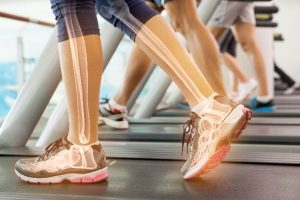
Obesity and diabetes: Implications for bone health
by Prof Nicholas Harvey.
EARN 2 CLINICAL CEUs
The growing global burden of obesity and diabetes is linked to multiple comorbidities, and emerging evidence suggests they may also increase fracture risk, a topic explored by Professor Nicholas Harvey at the NOFSA 2025 congress in Cape Town, highlighting implications for clinical practice.
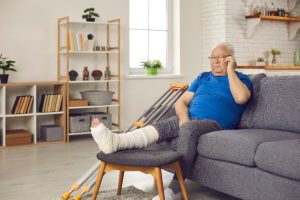
Fracture liaison services in South Africa: Pitfalls and possible solutions
by Dr Zane Stevens.
EARN 1 CLINICAL CEU
An expert-led overview of fracture liaison services, exploring their proven impact on medication uptake, refracture rates and mortality, while addressing the current South African FLS landscape, local barriers, and practical strategies for implementation.

NOFSA Masterclass: AI in osteoporosis – Fract or Fiction
by Dr Nicholas Fuggle.
EARN 2 CLINICAL CEUs
Discover how artificial intelligence is reshaping osteoporosis care — from AI-driven fracture risk prediction to computer vision tools enabling opportunistic bone density screening. This presentation reviews an evidence-based exploration of how today’s AI innovations are advancing diagnostics, data analysis, and clinical decision-making in bone health.

NOFSA Masterclass: Bridging the gap – Optimising osteoporosis care in high-risk patients in South Africa
by Dr Farhanah Paruk.
EARN 2 CLINICAL CEUs
As South Africa’s population ages, fragility fractures; especially hip fractures, are set to rise, driving up long-term mortality. Often linked to undiagnosed and undertreated osteoporosis, these fractures require urgent attention. This second episode of the 2025 NOFSA Masterclass Series explores ways to improve care for high-risk patients and reduce fracture risk.

NOFSA Masterclass: Managing bone health in people affected by breast and prostate cancers
by Dr Zane Stevens.
EARN 2 CLINICAL CEUs
This NOFSA Masterclass addresses cancer treatment-induced bone loss (CTIBL), a common effect of hormone therapy in breast and prostate cancer patients. The session highlights early recognition and proactive management, with practical strategies to protect bone health through lifestyle and pharmacological measures.

NOFSA Masterclass: Fracture liaison services – Building stronger pathways for quality osteoporosis care
by Professor Willem F Lems & Dr Isabel Marion Thompson.
EARN 2 CLINICAL CEUs
This sixth and final module of the 2024 NOFSA Masterclass highlights global and local strategies for effective fracture liaison services (FLSs) in managing fragility fractures. Osteoporosis, often called the “silent disease,” causes bones to become porous and weak, yet 80% of patients remain undiagnosed and untreated even after a fracture.
NOFSA Masterclass: Ethical decision-making when assessing for osteoporosis in the older patient
by Dr Stanley Lipschitz.
EARN 2 ETHICS CEUs
In this fifth National Osteoporosis Foundation of South Africa (NOFSA) 2024 masterclass, Dr Lipschitz considers an ethical decision-making framework for the assessment and management of osteoporosis in older patients.

NOFSA Masterclass: Secondary causes of osteoporosis in adulthood
by Professor Magda Conradie.
EARN 2 CLINICAL CEUs
Clinical tips for identifying secondary causes of osteoporosis, how to accommodate these according to fracture risk assessment modality, and the principles of bone-specific pharmacotherapy and integrated osteoporosis care.

NOFSA Masterclass: Diagnosing osteoporosis – whom to treat
by Dr Willem de Lange.
EARN 2 CLINICAL CEUs
Clinical research and practice often focus heavily on cardiology, which may lead to the underdiagnosis of conditions like osteoporosis. Osteoporosis, a common metabolic bone disease, is underdiagnosed and affects one in three women and one in five men over 50.

NOFSA Masterclass Series: Assessing Fracture Risk in Osteoporosis – Best Clinical Practice
by Professor Celia Gregson.
EARN 3 CLINICAL CEUs
Bone mass accumulates during growth and peaks at approximately 30 years of age, thereafter remaining relatively stable. In postmenopausal women, however, an accelerated annual bone mineral density (BMD) loss of 2-4% is observed, and a cumulative 25-30% reduction in BMD over 10 years significantly increases the risk for major osteoporotic fracture (MOF).
The vape effect: The mouth is the first point of contact, the lungs are the final destination
by Dr Thulja Trikamjee.
EARN 2 CLINICAL CEUs
The adverse health effects of electronic cigarette use (vaping) were identified and highlighted by the World Health Organization and other global entities prior to 2020. The adverse health effects of electronic cigarette use (vaping) were identified and highlighted by the World Health Organization.
