Current Status
Not logged in
Enroll in this activity to get access
Price
Closed
Get Started
This activity is currently closed
Episode 2
Identifying the Right Patient: Clinical and Practical Cues
Overview
Learning Objectives
Learning Outcomes
Key Discussion Highlights
Overview
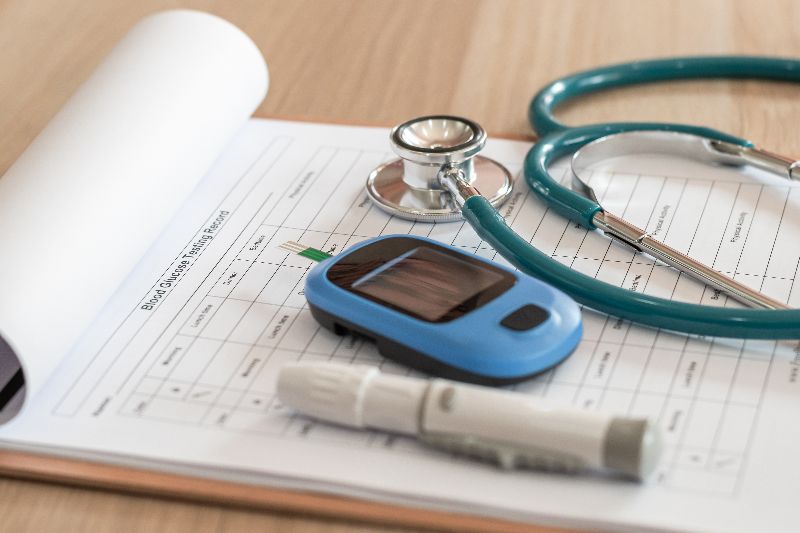
This episode builds on the foundation established in Episode 1 by moving from theory to bedside recognition of diabetes. Host Dr Tebelele and guest Dr Mashitisho explore how clinicians can identify patients at risk of Type 2 Diabetes Mellitus (T2DM) before complications occur. Through a combination of clinical history, physical findings, and practical diagnostic reasoning, the session highlights the importance of vigilance in busy primary-care settings.
The discussion underscores that diabetes often remains undiagnosed for years and that recognising subtle cues — from central obesity and acanthosis nigricans to family history and gestational diabetes — is vital for early detection, prevention, and better outcomes.
Learning Objectives
- Describe the clinical and lifestyle indicators that should raise suspicion of undiagnosed T2DM.
- Identify high-risk groups who warrant proactive screening based on age, BMI, ethnicity, or comorbidities.
- Apply a structured clinical approach to evaluating possible diabetes in the primary-care setting.
- Interpret key laboratory investigations and understand when confirmatory testing is required.
- Discuss patient-centred counselling strategies to encourage screening and follow-up.
Learning Outcomes
- Screen systematically for diabetes using clinical cues and validated risk-assessment tools.
- Integrate lifestyle and family history information into decision-making.
- Initiate appropriate diagnostic testing and referral pathways.
- Communicate effectively with patients about risk reduction and early detection.
- Support multidisciplinary collaboration in managing patients identified at risk.
Key Discussion Highlights
- From pathophysiology to practice: Revisiting insulin resistance and beta-cell dysfunction to understand why some patients present late.
- Clinical clues: Abdominal obesity, fatigue, recurrent infections, blurred vision, slow-healing wounds, and pigmentation changes.
- High-risk populations: Individuals with hypertension, dyslipidaemia, cardiovascular disease, polycystic ovarian syndrome, or a family history of diabetes.
- Screening tools: Use of fasting plasma glucose and HbA1c in asymptomatic patients – the need for confirmation and repeat testing.
- Patient engagement: Overcoming barriers to testing through culturally sensitive communication and education.
- Primary-care focus: Empowering nurses and GPs to act early, especially in resource-limited rural and peri-urban areas.
- Practical cue: Never dismiss subtle metabolic signs; early recognition prevents costly complications.
To access this CPD activity please login or register.
Activity Content
🎧 Listen to the podcast | Episode 2: Identifying the Right Patient: Clinical and Practical Cues
1 Questionnaire
You don't currently have access to this content