



Fracture liaison services in South Africa: Pitfalls and possible solutions
An expert-led overview of fracture liaison services, exploring their proven impact on medication uptake, refracture rates and mortality, while addressing the current South African FLS landscape, local barriers, and practical strategies for implementation.

Masterclass in probiotics: Science, selection, strains and clinical practice
The gut microbiome is complex and vastly diverse, and adverse effects of gut dysbiosis are far-reaching; signs of gut dysbiosis are exhibited in the predominance of people who live with various chronic diseases.

Episode 8: HIV and Diabetes and Patient Care Strategies
In this concluding episode of the series, Dr Tebelele and Dr Mashitisho discuss one of the most complex intersections in modern clinical medicine — the coexistence of HIV and diabetes.

Episode 7: Managing Diabetes in Special Populations
In this seventh episode, Dr Tebelele and Dr Mashitisho explore the nuances of managing diabetes in special populations, focusing on patients with comorbid conditions such as cardiovascular and renal disease, as well as the elderly and pregnant women.

Episode 6: Navigating Diabetes Treatment Challenges
In this sixth episode, Dr Tebelele and Dr Mashitisho tackle the real-world challenges faced by healthcare professionals when managing diabetes, particularly when transitioning patients into insulin therapy.

Episode 5: Insulin Types and Characteristics
In this fifth episode, Dr Tebelele and Dr Mashitisho explore the different insulin formulations, their pharmacological properties, and clinical applications in the management of Type 2 Diabetes Mellitus (T2DM).

Unpicking allergic rhinitis in adults and children
This CPD activity covers allergic rhinitis (AR) risk factors, pathophysiology, and diagnosis in primary care, including its classification. It also explores evidence-based management, emphasising patient education, allergen avoidance, and treatment recommendations for South African practice.

Episode 1: Epidemiology and Diagnosis of Type 2 Diabetes
This first episode introduces the global and regional landscape of Type 2 Diabetes Mellitus. The conversation emphasises practical recognition of diabetes in primary-care and community settings, early detection strategies, and the importance of education and prevention to curb rising prevalence.
Episode 2: Identifying the Right Patient: Clinical and Practical Cues
This episode builds on the foundation established in Episode 1 by moving from theory to bedside recognition of diabetes. Host Dr Tebelele and guest Dr Mashitisho explore how clinicians can identify patients at risk of Type 2 Diabetes Mellitus (T2DM) before complications occur.

Episode 3: Why the Right Insulin Matters: Comparing Basal Options
In this third episode, Dr Tebelele and Dr Mashitisho build on the foundations of diabetes diagnosis and patient identification to focus on insulin therapy – specifically the selection and optimisation of basal insulin options.

Episode 4: Navigating Insulin Therapy in Type 2 Diabetes
In this fourth episode, Dr Tebelele and Dr Mashitisho move from insulin theory to the practical initiation and management of insulin therapy in patients with Type 2 Diabetes Mellitus (T2DM).
Episode 5: Insulin Types and Characteristics
In this fifth episode, Dr Tebelele and Dr Mashitisho explore the different insulin formulations, their pharmacological properties, and clinical applications in the management of Type 2 Diabetes Mellitus (T2DM).
Episode 6: Navigating Diabetes Treatment Challenges
In this sixth episode, Dr Tebelele and Dr Mashitisho tackle the real-world challenges faced by healthcare professionals when managing diabetes, particularly when transitioning patients into insulin therapy.
Episode 7: Managing Diabetes in Special Populations
In this seventh episode, Dr Tebelele and Dr Mashitisho explore the nuances of managing diabetes in special populations, focusing on patients with comorbid conditions such as cardiovascular and renal disease, as well as the elderly and pregnant women.
Episode 8: HIV and Diabetes and Patient Care Strategies
In this concluding episode of the series, Dr Tebelele and Dr Mashitisho discuss one of the most complex intersections in modern clinical medicine — the coexistence of HIV and diabetes.
Donation and transplantation ethics
EARN 2 ETHICS CEUs
This ethical CPD activity covers donation pathways, what can be donated, end-of-life communication, consent, and the ethical principles to organ donation and transplantation.
Ethical and best practice care of emerging adults at high risk of developing cardiovascular disease
EARN 2 ETHICS CEUs
Explore the four pillars of ethical medicine in supporting South African adolescents with heart disease.
Ethical issues specific to the practice of allergology and treatment of allergic disease
EARN 1 ETHICS CEU
This activity covers ethical referral practices in allergy care, including HPCSA supercession guidelines and the four pillars of medical ethics.

NOFSA 2024 Masterclass: Ethical decision-making when assessing for osteoporosis in the older patient
In this fifth National Osteoporosis Foundation of South Africa (NOFSA) 2024 masterclass, Dr Lipschitz considers an ethical decision-making framework for the assessment and management of osteoporosis in older patients.

Managing incontinence, skin conditions and pressure care in older persons
This activity will explore the clinical management of urinary and faecal incontinence, including assessment, differentiation of urinary incontinence types, and strategies for faecal incontinence, followed by a discussion on identifying and managing common skin conditions in older adults, and concluding with an overview of a prevalent clinical issue that affects quality of life, highlighting prevention and management approaches.

Iatrogenesis – First do no harm: Reducing iatrogenesis and enhancing disease prevention
Iatrogenesis describes any adverse outcome or injury, usually unintentional, that occurs as a result of medical care. Iatrogenesis is particularly relevant in the older population, which is more likely to have multimorbidity and, therefore, polypharmacy with an increased risk of adverse drug events (ADEs).

Mind Matters: Managing the Geriatric Giants of Delirium and Dementia
This third masterclass from the South African Geriatric Society’s series of six ‘Geriatric Giants’ masterclasses focuses on dementia and delirium in older adults, providing practical guidance on real-world clinical and supportive care.
Fracture liaison services in South Africa: Pitfalls and possible solutions
An expert-led overview of fracture liaison services, exploring their proven impact on medication uptake, refracture rates and mortality, while addressing the current South African FLS landscape, local barriers, and practical strategies for implementation.

NOFSA Masterclass 2025: AI in osteoporosis – Fract or Fiction
Discover how artificial intelligence is reshaping osteoporosis care — from AI-driven fracture risk prediction to computer vision tools enabling opportunistic bone density screening. This presentation reviews an evidence-based exploration of how today’s AI innovations are advancing diagnostics, data analysis, and clinical decision-making in bone health.

NOFSA 2025 Masterclass: Bridging the gap – Optimising osteoporosis care in high-risk patients in South Africa
As South Africa’s population ages, fragility fractures; especially hip fractures, are set to rise, driving up long-term mortality. Often linked to undiagnosed and undertreated osteoporosis, these fractures require urgent attention. This second episode of the 2025 NOFSA Masterclass Series explores ways to improve care for high-risk patients and reduce fracture risk.

NOFSA 2025 Masterclass: Managing bone health in people affected by breast and prostate cancers
This NOFSA Masterclass addresses cancer treatment-induced bone loss (CTIBL), a common effect of hormone therapy in breast and prostate cancer patients. The session highlights early recognition and proactive management, with practical strategies to protect bone health through lifestyle and pharmacological measures.

NOFSA 2024 Masterclass: Fracture liaison services – Building stronger pathways for quality osteoporosis care
This sixth and final module of the 2024 NOFSA Masterclass highlights global and local strategies for effective fracture liaison services (FLSs) in managing fragility fractures.
NOFSA 2024 Masterclass: Ethical decision-making when assessing for osteoporosis in the older patient
In this fifth National Osteoporosis Foundation of South Africa (NOFSA) 2024 masterclass, Dr Lipschitz considers an ethical decision-making framework for the assessment and management of osteoporosis in older patients.

NOFSA 2024 Masterclass: Secondary causes of osteoporosis in adulthood
Clinical tips for identifying secondary causes of osteoporosis, how to accommodate these according to fracture risk assessment modality, and the principles of bone-specific pharmacotherapy and integrated osteoporosis care.

NOFSA 2024 Masterclass: Diagnosing osteoporosis – whom to treat
Clinical research and practice often focus heavily on cardiology, which may lead to the underdiagnosis of conditions like osteoporosis. Osteoporosis, a common metabolic bone disease, is underdiagnosed and affects one in three women and one in five men over 50. The 2024 Osteoporosis Masterclass by NOFSA explores various diagnostic methods and emphasises the importance of recognising and treating osteoporosis across all population groups in South Africa.

NOFSA 2024 Masterclass Series: Assessing Fracture Risk in Osteoporosis – Best Clinical Practice
Bone mass accumulates during growth and peaks at approximately 30 years of age, thereafter remaining relatively stable. In postmenopausal women, however, an accelerated annual bone mineral density (BMD) loss of 2-4% is observed, and a cumulative 25-30% reduction in BMD over 10 years significantly increases the risk for major osteoporotic fracture (MOF).
Masterclass in probiotics: Science, selection, strains and clinical practice
The gut microbiome is complex and vastly diverse, and adverse effects of gut dysbiosis are far-reaching; signs of gut dysbiosis are exhibited in the predominance of people who live with various chronic diseases.

The Microbiome, Probiotics and our Health
The gut microbiome has rapidly emerged as one of the most influential players in human health – shaping digestion, immunity, metabolic function, and even mood. But what do we really understand about this invisible ecosystem? And how can probiotics be harnessed to support clinical outcomes?
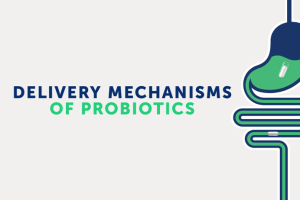
Delivery Mechanisms of Probiotics
While probiotics are widely recognized for their ability to support digestive and immune health, emerging research has highlighted a critical gap – probiotic effectiveness is only possible if these micro-organisms survive production, storage, the shelf as well as harsh stomach conditions. Are your patients getting the benefits promised on the label?
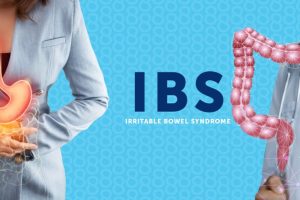
Irritable Bowel Syndrome
In this module, we explore how probiotics influence symptoms and treatment outcomes in individuals with Irritable Bowel Syndrome. As a healthcare professional, you’ll gain valuable insights into selecting the right probiotic strains for IBS patients, understanding their mechanisms of action, and optimising treatment outcomes

The Power of Prebiotics
In this module, we examine the important role of prebiotics in supporting gut. Drawing on the latest scientific evidence and practical dietary approaches, healthcare professionals will gain a deeper understanding of how to use prebiotics to improve patient outcomes. The module also explores current research on the role of prebiotics in managing IBS, metabolic disorders, and immune function.
